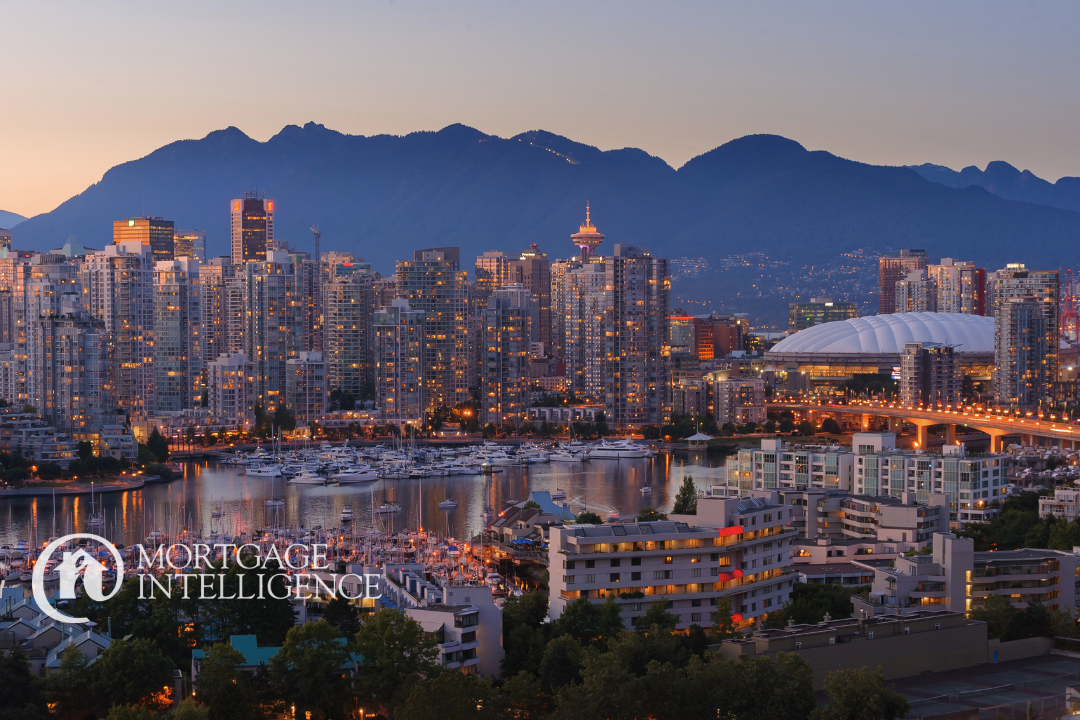
Envision yourself in a waterfront estate, gazing at the vast Pacific, or maybe a modern masterpiece nestled in Vancouver’s prestigious Shaughnessy or Point Grey. British Columbia’s (BC) real estate is stunning, no doubt. But financing a coastal or high-end property here? That’s where things get interesting. It’s a different ballgame than your average mortgage application, with hurdles you won’t find elsewhere. It demands a specific kind of know-how.
Ready to learn about the financing quirks of BC coastal and luxury properties? We’ll break down the risks lenders worry about, the sneaky financial impact of property taxes, and the practical steps you can take to make your dream home a reality. Whether you’re actively hunting for a high-value property or just curious about jumbo mortgage requirements in BC, stick around for the inside scoop.
Unique Risk Factors Lenders Consider in Coastal BC
Lenders size up coastal properties in BC differently from inland homes. That breathtaking ocean view also comes with potential risks that can impact a property’s long-term value and insurance, which makes lenders extra-cautious.
- Flood, Erosion, and Climate Change Exposure
Let’s be real: rising sea levels, increasingly wild storms; climate change is a real concern on the coast. Lenders do extensive research to determine the likelihood of erosion and flood damage. They’ll look at the property’s elevation, distance from the water, and even local flood history. A lender’s willingness to lend can be impacted by what appears to be a little risk to you.
Take a property in a low-lying part of Richmond, for example. The lender will probably require a thorough flood risk assessment and flood insurance if it has a history of flooding during high tides, which could raise expenses and lower the amount of your loan.
- Stricter Insurance Requirements for Waterfront Homes
Getting insured for a waterfront home in BC? It’s a different beast. Because these homes are more vulnerable to natural disasters, insurance companies often have stricter requirements, higher premiums, or may even deny coverage. Finding affordable coastal property insurance in BC is crucial because a lack of it can derail your mortgage approval fast. Lenders require insurance, it protects their investment, so getting covered is non-negotiable.
Without insurance, a lender’s exposed if the property gets damaged.
High-Value Market Financing Coastal Property Management Challenges in BC
Moving into the world of BC luxury home financing is where things get interesting. It’s not just about your income; it’s about navigating specific rules and higher expectations.
- Jumbo Mortgage Requirements and Limited Lender Pools
Forget standard mortgage limits. Any loan in BC that exceeds the government-set limit and is not covered by the Canada Mortgage and Housing Corporation (CMHC) is referred to as a jumbo mortgage. These limits fluctuate by region and property type. Because these mortgages are larger, fewer lenders are willing to offer them. Less competition could mean higher interest rates for you. Understanding jumbo mortgage requirements is key.
For example, in British Columbia, a mortgage above $1,000,000 is frequently referred to as a jumbo mortgage. The scarcity of lenders for these loans translates to tougher qualification standards and potentially pricier interest rates.
- Higher Down Payment Percentages for Multi-Million-Dollar Homes
Forget the 5% down payment myth. Lenders seek a larger portion, usually 20% or more, for those multi-million dollar mansions. It’s all about reducing their risk and making sure you have serious skin in the game. Think about it: a $2 million property means a down payment of $400,000.
This larger down payment acts as a cushion for the lender, lessening their potential losses. It also showcases your financial commitment and ability to save big.
- Stricter Debt Service Ratios for Luxury Property Buyers
Lenders need to know you can handle your mortgage payments on top of your existing debts. They examine your debt service ratios, which compare your monthly debt to your gross monthly revenue, for this reason. For luxury properties, these ratios are often stricter. Higher mortgage payments demand greater financial stability. If you have substantial debts, securing a luxury property mortgage in BC can be tough, even with a high income.
Your net worth may be taken into account by lenders in addition to your salary. A healthy asset base reduces their risk.
Appraisal & Valuation Issues
A reliable appraisal is always important, but it’s critical in the high-end real estate market.
- Market Volatility in Areas like Vancouver, Victoria, Kelowna
Real estate markets in Vancouver, Victoria, and Kelowna are famously volatile. Rapid price swings or market corrections make it extra challenging for appraisers to pinpoint a property’s exact value. That’s why you need an appraiser with deep, local luxury market experience.
An inflated appraisal hurts both the lender and you, because you run the risk of overpaying.
- Limited Comparable Sales Data for Unique Properties
Finding genuinely comparable sales data is challenging since luxury homes can have distinctive features, special designs, high-end finishing, and desirable locations. Lenders view a home as riskier and signal market illiquidity when comparable homes are unavailable for comparison. This could result in a decrease in the appraisal value, which could affect the loan amount and cause your mortgage to be approved later than expected.
It may be more difficult to discover comparable properties for a home that is noted for its size or privacy, which makes appraisal challenging.
Impact of BC Property Taxes & Speculation Taxes
It’s easy to overlook the ongoing costs of owning a high-value property. Property taxes, in particular, warrant attention because they can significantly affect your finances.
Additional Costs for High-Value or Secondary Properties
In BC, high-value properties face higher property tax rates. The BC speculation and vacancy tax might apply to secondary homes in certain areas, even if they’re occupied. When thinking about purchasing a luxury house, keep these expenses in mind. It’s critical to comprehend how property taxes affect expensive residences in order to prevent unpleasant financial surprises.
These taxes could not qualify for income tax deductions, which might be expensive.
Getting Mortgage Approval for Homes with High Risk or High Value
How do you get finance for that ideal luxury or beachfront home in light of these obstacles?
- The Value of Expert Mortgage Brokers
It makes sense to work with a mortgage broker who specializes in luxury and beachfront properties in British Columbia. These brokers have connections to lenders who have extensive knowledge of the local market and are at ease with these kinds of homes. They will represent you, help you navigate the application procedure, and bargain for the best terms.
- Using Private or Alternative Lenders
If traditional lenders are hesitant, private lenders in BC might be an option. They often offer more flexible lending criteria and are willing to consider properties that conventional lenders won’t touch. However, keep in mind: private lending usually comes with higher interest rates and fees. Weigh the pros and cons carefully.
The reason for the existence of these lenders is their willingness to assume risk.
- Building a Strong Financial Profile to Offset Perceived Risks
Boosting your financial profile can reduce perceived risk. Paying down debts will improve key financial ratios, like the debt service ratio. Document all income sources, including investment income and bonuses. And maintain a strong credit score.
Financing a BC coastal or high-value property presents challenges, but they’re not insurmountable. With knowledge, preparation, and a team of experienced professionals, you can overcome these hurdles and own a piece of BC’s prized real estate. Whether it’s Vancouver or elsewhere, do your research.
Frequently Asked Questions (FAQs)
- What makes coastal properties in BC harder to finance?
They are harder to finance due to flood and erosion risks, zoning regulations, and higher insurance costs.
- How do flood and erosion risks affect mortgage approval?
They increase the likelihood of higher insurance premiums or denial, which can complicate mortgage approval.
- What is considered a “jumbo mortgage” in BC?
Properties worth more than the conforming loan limit, usually between $1 million and $1.5 million, are eligible for jumbo mortgages.
- How much down payment is required for a $2M+ home in BC?
A 20% down payment, or $400,000 for a $2 million home, is typically needed.
- Are luxury and seaside properties in British Columbia financed by private lenders?
Yes, private lenders do finance luxury and coastal homes, though often at higher rates.
- How do property tax rules affect high-value homes in British Columbia?
High-value homes are subject to higher property taxes and additional taxes like the Speculation and Vacancy Tax.
- What are the difficulties in valuing distinctive luxury properties?
Due to a lack of comparable transactions, unique luxury properties may encounter difficulties in determining their fair market value.
- Is it harder to insure waterfront homes in BC, and does it affect financing?
Yes, it’s harder to insure due to flood risks, which can complicate financing.
- How can a specialized mortgage broker help in high-value markets?
They can provide expertise on navigating complex regulations, securing financing, and finding tailored mortgage products.
- Are jumbo mortgage interest rates higher in BC?
Yes, jumbo mortgages in BC tend to have slightly higher interest rates due to their larger loan amounts and higher risk.