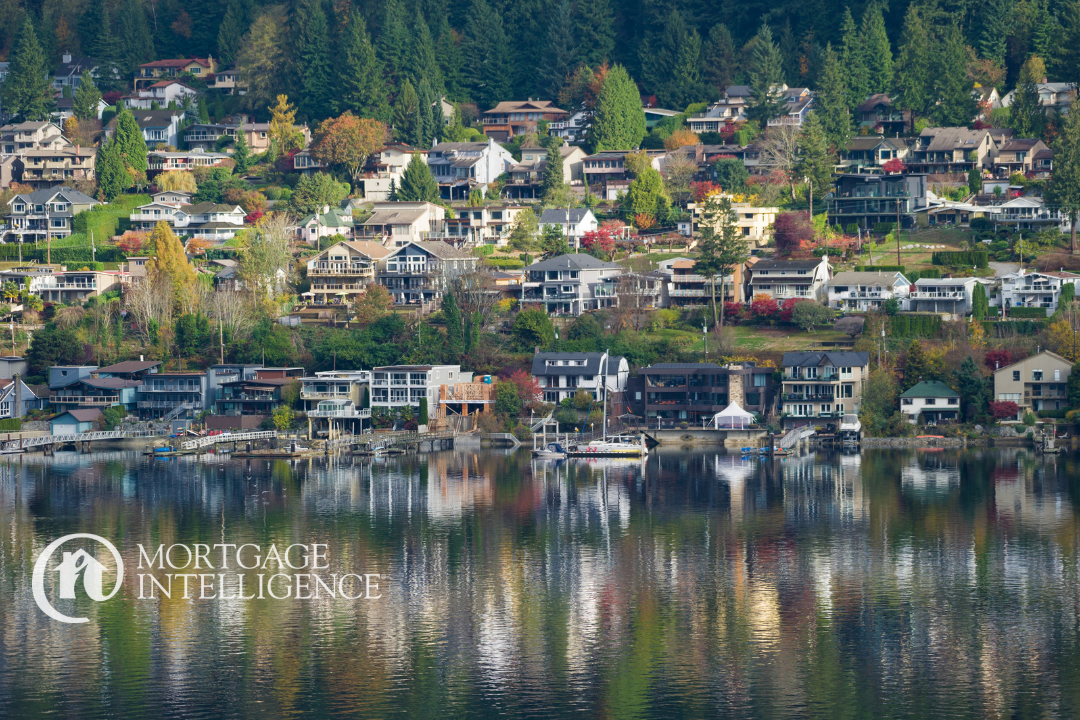
Owning a waterfront or island home near Victoria, British Columbia, has a certain allure due to the views of the ocean, the tranquil seclusion, and the feeling of escape. However, financing these properties might be challenging. Because of access issues, environmental hazards, and insurance considerations, lenders have a different perspective on coastal and island homes than on typical residential properties.
Knowing how financing works will save you time (and frustration) if you have your sights set on a waterfront hideaway close to Sidney, a cabin on Salt Spring Island, or a coastal cottage on the Saanich Peninsula. Let’s go over everything you need to know about obtaining a mortgage for a coastal or island home in Victoria, including lender requirements, special programs, and expenses.
How Lenders Evaluate Coastal & Island Properties
Banks and mortgage insurers don’t just look at your income and credit; they assess the property itself just as carefully.
Here’s what they focus on:
- Accessibility: Homes accessible year-round by road are easier to finance. If the property is “boat access only,” lenders may hesitate or require a higher down payment.
- Utilities & Infrastructure: Properties with municipal water, hydro, and sewer connections are preferred. Off-grid setups like wells, septic systems, or solar power add complexity.
- Land Type & Zoning: Lenders verify that the land is zoned for year-round residential use (not just seasonal or recreational).
- Insurance & Environmental Risks: Lenders check for flood zones, erosion risks, or marine exposure. Some insurers require flood insurance before approving financing.
Canada Mortgage and Housing Corporation (CMHC) and other insurers like Sagen or Canada Guaranty may have extra documentation requirements for waterfront or remote homes, especially regarding access and structural condition.
Traditional Mortgage Financing (Banks & Credit Unions)
For most buyers, traditional lenders are the first stop. Major banks and credit unions in BC will finance a coastal or island property if it meets certain criteria.
- Road Access: The property must be reachable by car year-round.
- Full-Time Utility Services: Power, septic, and running water are essential for most bank mortgages.
- Residential Use: The property should be intended for personal use or as a primary/secondary home, not purely recreational land.
Local credit unions like Coast Capital or Island Savings often understand the nuances of BC’s coastal real estate better than big national lenders. They may be more flexible if you can demonstrate stable access and proper maintenance.
Financing Remote & Off-Grid Properties
Dreaming of an eco-friendly, solar-powered cabin on an island? It’s doable, but expect extra steps.
Off-grid properties raise lender concerns around reliability, maintenance, and resale value. You’ll likely need:
- Detailed Appraisals: Lenders require a professional appraisal confirming the home’s condition, value, and access.
- Specialized Inspections: For septic, wells, and solar systems.
- Larger Down Payment: Typically 30% or more, since these properties are considered higher-risk.
If the home doesn’t meet all of a traditional lender’s requirements, that’s where alternative financing comes in.
Alternative Mortgage Solutions
When banks say “no,” B-lenders and private lenders step in. These lenders cater to unique properties or buyers with non-traditional situations.
What to expect:
- Higher Down Payments: Usually 25-35%.
- Higher Interest Rates: To offset the risk of financing a less conventional property.
- Flexible Terms: They might accept seasonal access, off-grid utilities, or unique construction types that banks won’t touch.
Private mortgages are often short-term (1–3 years), giving you time to improve the property or access, then refinance with a traditional lender later.
Specialized Mortgage Programs
You might still qualify for an insured mortgage through CMHC, Sagen, or Canada Guaranty, but eligibility depends on access and livability.
For example:
- CMHC allows financing for secondary and vacation homes that meet full-year occupancy and access requirements.
- Some insurers provide mortgage options for rural and remote properties, but they often limit loan amounts and require appraisals confirming the property’s long-term usability.
- If you’re eyeing a small island property, it’s best to talk with a broker familiar with Victoria’s Gulf Islands and coastal zoning; they’ll know which programs actually apply.
Down Payment Requirements & Lending Flexibility
Down payments vary depending on how accessible the property is:
- 5-10%: For primary homes with road access and full utilities.
- 20%: For vacation or secondary homes with limited services.
- 30-35%+: For remote, boat-only, or off-grid properties.
In other words, the more remote or unconventional the property, the higher your required investment. Having a solid credit history and additional assets can sometimes convince lenders to offer better terms.
Insurance & Risk Factors That Affect Financing
Lenders need assurance that your property is protected. That’s where insurance comes in and coastal homes face unique challenges:
- Flood & Storm Damage: Some Victoria-area properties, especially near the waterfront, require mandatory flood insurance.
- Erosion & Salt Exposure: Homes exposed to ocean spray and shifting tides can face long-term maintenance issues.
- Wind & Water Damage: Insurers may increase premiums due to higher weather-related risks.
Your lender might ask for documentation showing the home’s flood elevation or recent inspection reports to confirm structural safety.
Additional Costs Buyers Should Budget For
Owning an island or coastal home often comes with hidden expenses. Before you finalize your mortgage, plan for:
- Marine Transport Costs: Water taxis, ferry fees, or private boat fuel for commuting.
- Dock or Moorage Fees: Not all island homes include a private dock; renting one can add up.
- Inspection Costs: You’ll need specialized inspections for wells, septic systems, and flood resilience.
- Off-Grid Maintenance: Solar panels, generators, and water filtration systems require regular upkeep.
While these costs can add up, the payoff is a home that feels like your personal slice of paradise.
Financing a coastal or island property in Victoria isn’t impossible; it just takes planning, the right lender, and a bit more patience. The key is to work with a mortgage broker who understands BC’s unique waterfront markets. They can help you navigate lender requirements, secure flexible options, and make sure your dream property fits your budget and long-term goals.
If you’re thinking about buying a home on Vancouver Island or one of the Gulf Islands, reach out to a broker who’s familiar with Victoria’s coastal and island financing landscape. They’ll help you explore every option from traditional mortgages to private lending and get you one step closer to owning that ocean-view getaway.
FAQs
Can I get a traditional mortgage for an island property near Victoria?
Yes, if it has road access and basic utilities. Otherwise, you may need a private or alternative lender.
Do lenders require road access?
Usually. Boat-only properties are riskier, so lenders ask for higher down payments.
What’s the down payment for a boat-access property?
Typically 30–35%.
Are off-grid homes harder to finance?
Yes, lenders need more inspections and bigger down payments.
Should I use a mortgage broker?
Definitely. Brokers know which lenders work with coastal and island homes.
Do CMHC-insured mortgages cover island homes?
Only if the property has year-round access and utilities.
Is special insurance needed for coastal properties?
Often, yes, flood or erosion coverage may be required.
Do lenders consider flood risk?
Yes, they check maps and may need extra documentation.
Can I finance vacant coastal land?
Yes, through a land or construction loan with detailed building plans.
Are private lenders a good option?
Yes, especially for remote or off-grid homes where banks say no.